

TheWhiteBox · Independent AI analysis
Oracle Makes History, Hardware Fails, & More
Sign in or subscribe to keep reading ↓

TLDR;
Hello! This week, we have a lot of insights to share, from your very first visualization of hallucinations (and what to do about them) to a detailed overview of NVIDIA’s first inference chip, the product that changes NVIDIA’s roadmap forever.
We also discuss other news like AI’s latest hardware fail, Microsoft and OpenAI’s rivalry, and Oracle’s stellar stock day.
Enjoy!


MARKETS
Oracle’s Best Day Since 1992
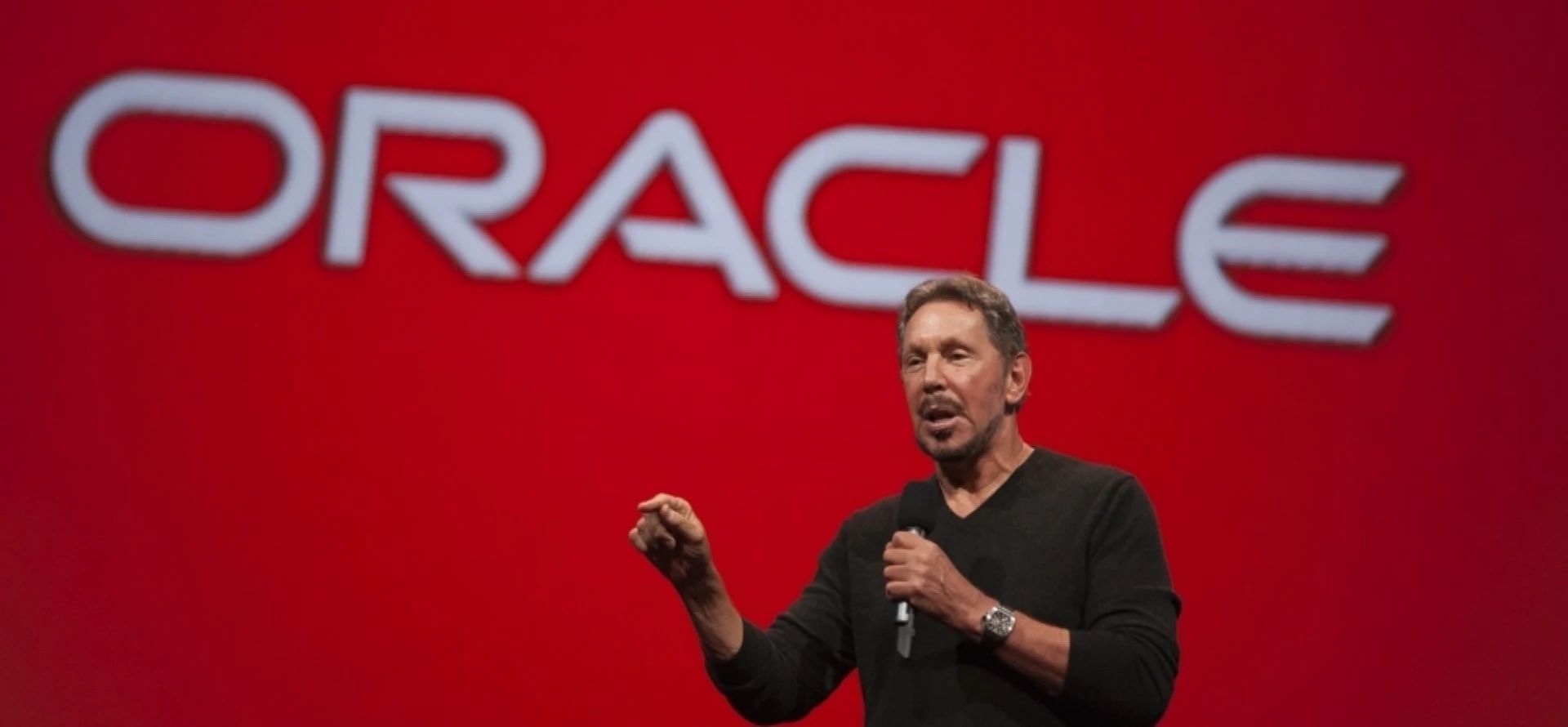
Oracle has had its best trading day since 1992, no less, adding +$200 billion in market value with a ~30-40% stock increase in a single day.
The reason is simple: OpenAI and quite a lot of wishful claims. Oracle has secured multiple multi-billion-dollar contracts recently, including a major deal with OpenAI worth $300 billion. These deals have sharply increased Oracle’s backlog (“Remaining Performance Obligations” or RPO), up around fourfold year-on-year.
RPOs represent the total amount customers have committed to spend under signed contracts. However, the company can’t book this revenue until the service or product has been fully delivered.
Unrealized-yet-guaranteed revenue, basically.
What this essentially means is that the market has realized Oracle’s AI play wasn’t remotely priced in, and the stock was significantly undervalued.
But is all this warranted or are investors playing with fire?
→ READ WSJ ARTICLE
TheWhiteBox’s takeaway:
In my view, this is just investors adjusting Oracle’s valuation to Hyperscaler levels; it’s the kind of pop you could expect from AMD if they had such remarkable guidance claims and investors suddenly adjusted AMD’s price to NVIDIA’s.
However, there’s a catch: this valuation is now based a lot (too much for my liking) on guidance.
Owning Oracle stock is now more expensive than any of the other Hyperscalers, meaning investors are pricing in future revenue growth. In other words, they are proclaiming Oracle as the new Hyperscaler, but based on nothing but promises. However, this is understandable, considering:
Oracle’s “guaranteed” future revenues, the RPO metric, have truly skyrocketed to $455 billion.
Oracle’s guidance for the following years is extremely ambitious, as they forecast cloud revenue growing from ~$18 billion to $144 billion in fiscal year 2029, which would represent a ~1300% increase from last year’s AI business (~$10 billion).
Saying “we are about to increase our AI business by 1300% in five years” will obviously make your stock pop. My concern here is nothing but what has been worrying me for months: debt.
The AI Capex run is now unwaveringly dependent on debt, and it’s non-bank transactions that are taking place the most at this point, meaning private credit funds, which sometimes involve insurers (which means a potential debacle can spread across other sectors fast), are becoming more prominent lenders.
In a recent report we covered, JP Morgan announced it was entering the private credit space while highlighting the growing risk of this sector growing too much as a proportion of overall debt, putting the current number, as of July 2025, at a staggering 9%.
I must say that AI Capex debtors are mostly hyper-rich companies, so the risk of…
Enjoyed the introduction? Subscribe or sign in to continue with this edition.
TheWhiteBox · Subscriber access
Keep reading.
Already subscribed? Sign in with your newsletter email.